
Nazaré, Portugal: Big Wave Beach, Travel Guide & Things To Do
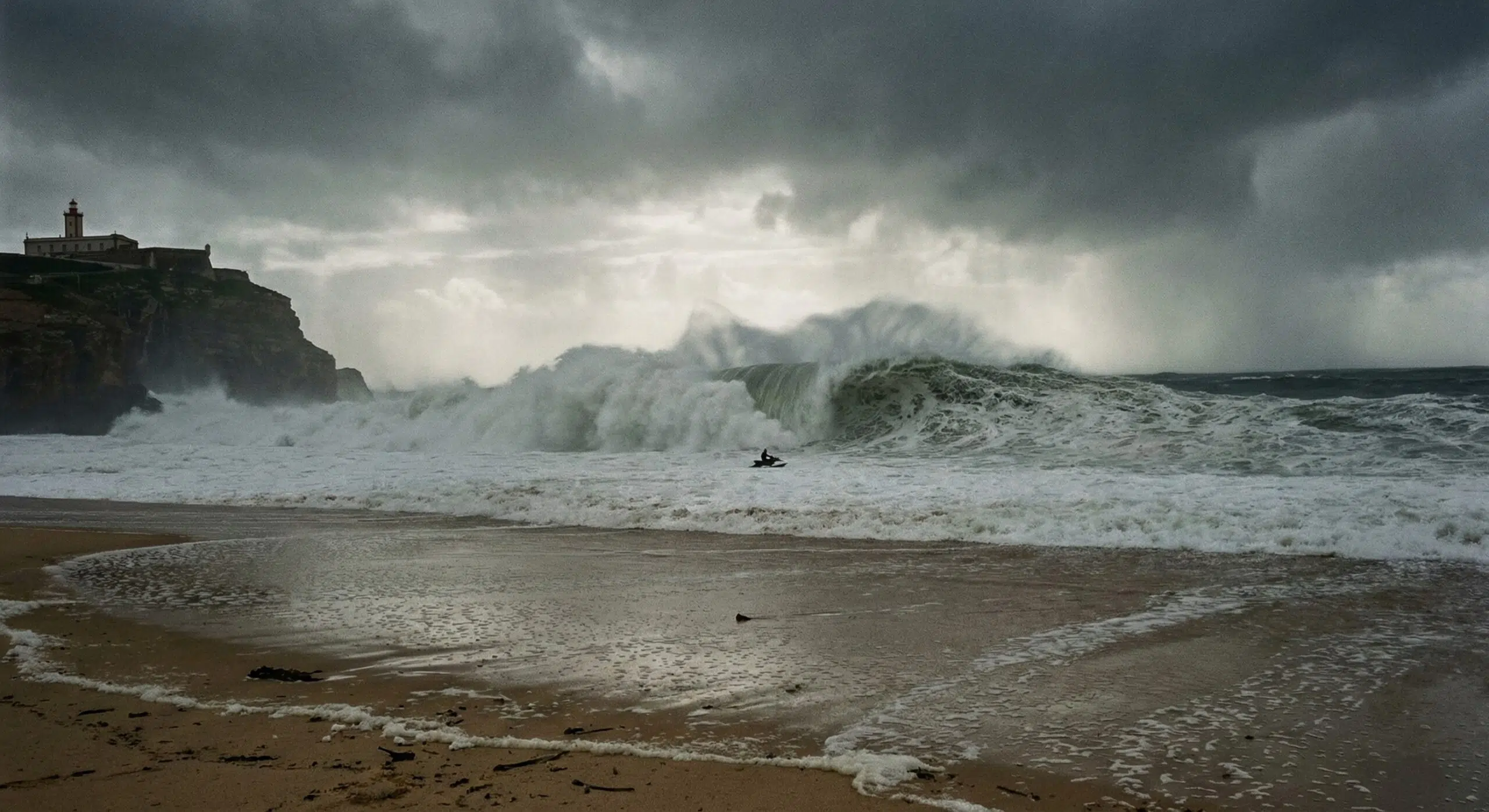
Welcome to Nazaré, a coastal gem of Central Portugal where the Atlantic Ocean meets tradition and awe. This travel guide introduces the beach town famous for the biggest waves at Praia do Norte and the authentic charm of Praia da Nazaré. From tow-in surfing spectacles to sacred legends, visit Nazaré for a one-of-a-kind mix of culture, viewpoints, and sea-powered experiences.
Introduction to Nazaré
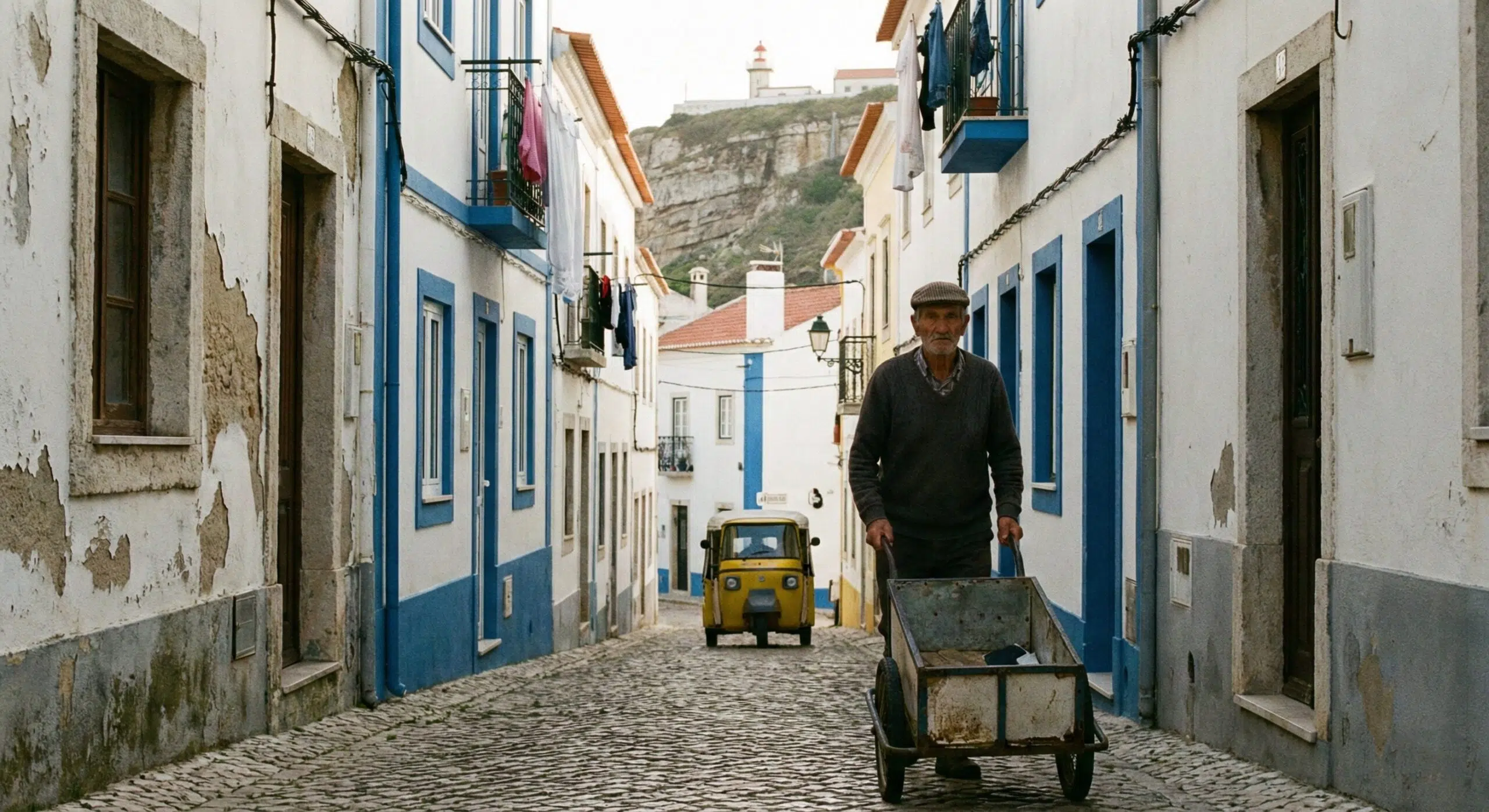
Nazaré is one of Portugal’s classic seaside towns, framed by a sandy beach and the roaring Atlantic Ocean. The beach of Nazaré curves below Sítio, a dramatic clifftop district linked by the Nazaré funicular. With seafood restaurants, a lively main square, and sweeping vantage points like Miradouro do Suberco, it’s easy to stroll, soak up Portuguese rhythms, and plan the best things to do in Nazaré.
Overview of Nazaré’s Coastal Charm
Set along the Silver Coast, Nazaré blends a traditional fishing heritage with a world-class surfing destination. The beach promenade, tile-fronted houses, and the lighthouse-topped headland create postcard views. A day trip from Lisbon or Porto is easy, bringing you to a sandy beach scene, where families, surfers, and sightseers share the shoreline, then climb to Sítio for ocean panoramas and sunset over the Atlantic Ocean.
Culture and Local Life
Nazaré’s culture weaves faith and sea. In Sítio, the Sanctuary of Our Lady honors Nossa Senhora da Nazaré, with Baroque touches and the legend of Nazaré depicted near the Ermida da Memória chapel. Stories of Dom Fuas Roupinho, the Black Madonna, and the grotto of Da Memória live alongside daily markets, Portuguese festivals, and seafood traditions stretching from Pederneira to the beach.
Importance of Praia do Norte
Praia do Norte is where Nazaré’s giant-wave fame was born, home to monster waves and the largest waves surfed. The São Miguel Arcanjo fort and lighthouse overlook tow-in surfing lines, a vantage point to witness huge waves and the German surfer Sebastian Steudtner’s world-record foot wave. For many, go to Nazaré means standing here, feeling the Atlantic’s force crash below the São Miguel Arcanjo.
Understanding the Giant Waves at Praia do Norte
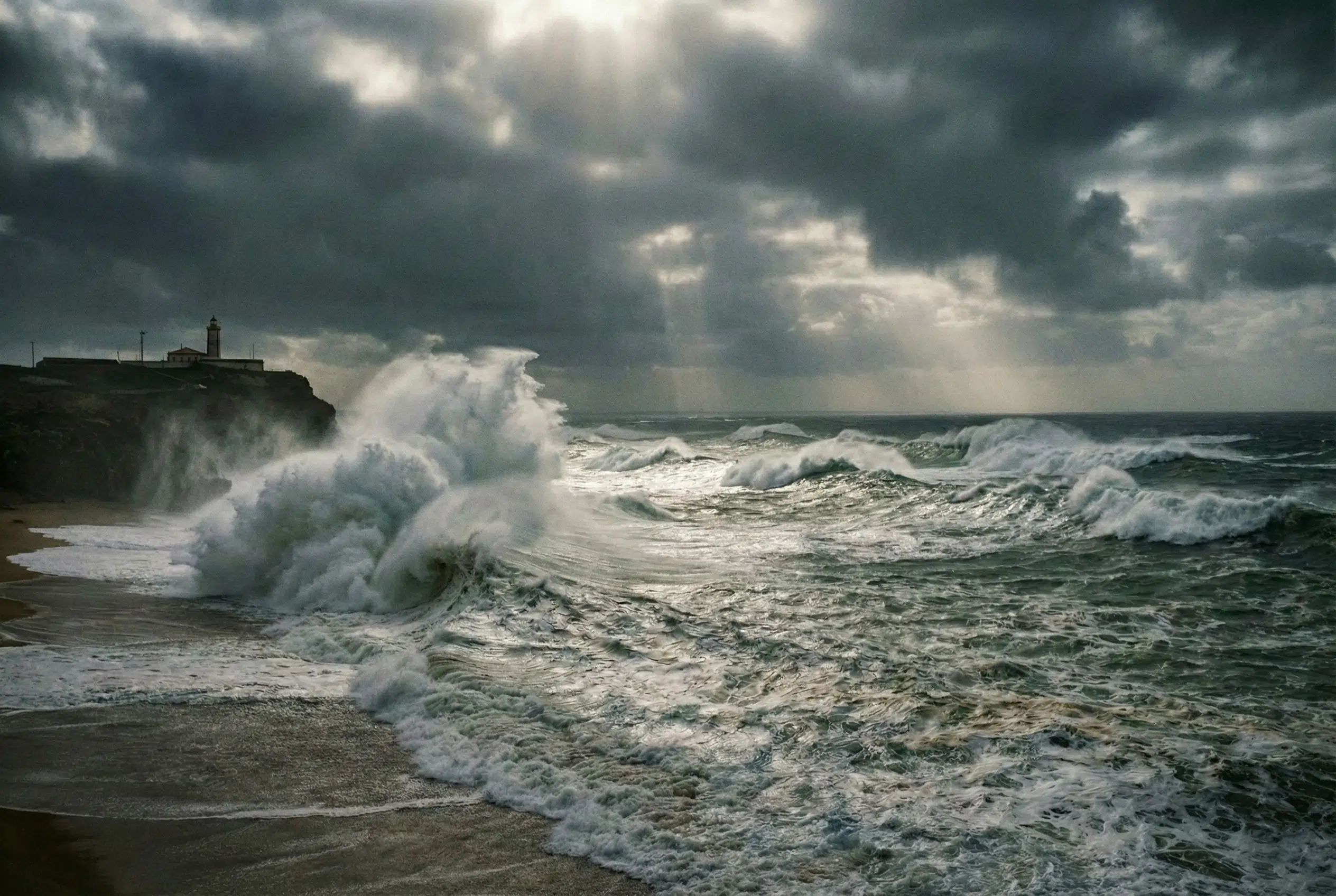
The big wave phenomenon at Praia do Norte isn’t luck—it’s physics, geology, and weather aligning. Powerful Atlantic swells stack over deep water, then explode near shore, creating the biggest waves seen from a European beach. This travel guide section explains why time in Nazaré is shaped by swell, wind, tides, and how Praia da Nazaré differs from its wilder neighbor across the headland.
The Science Behind the Waves
Long-period swells race across the Atlantic Ocean, guided by bathymetry toward Nazare. As energy travels in deep water, it remains organized; nearshore, refraction and shoaling transform energy into towering faces. At Praia do Norte, unique seabed effects focus energy into towering peaks, enabling tow-in surfing when monster waves arrive. On calmer days, the beach of Nazaré handles more manageable surf conditions.
Nazaré Canyon: Nature’s Powerhouse
The Nazaré Canyon funnels and amplifies Atlantic swell, a trench that drives energy straight to shore. This natural accelerator preserves swell energy, then releases it abruptly, crafting giant, sometimes unruly peaks. The canyon’s alignment, depth, and proximity to Praia do Norte magnify Atlantic energy, explaining why Nazare is one extraordinary surfing destination and why Praia do Norte tops any things to do in Nazaré list.
What Makes Nazaré Unique
Only in Nazaré do sacred heritage and extreme surf collide so closely. In Sítio, the chapel of Nossa Senhora da Nazare, linked to the legend of the Virgin Mary and Dom Fuas, crowns cliffs above São Miguel Arcanjo lighthouse. Nearby, Miradouro do Suberco offers a vantage point over both beaches. Beyond surf, explore Alcobaça monastery, Óbidos, Fátima, or Algarve later—Nazaré itself is unforgettable.
Best Time to Visit Nazaré
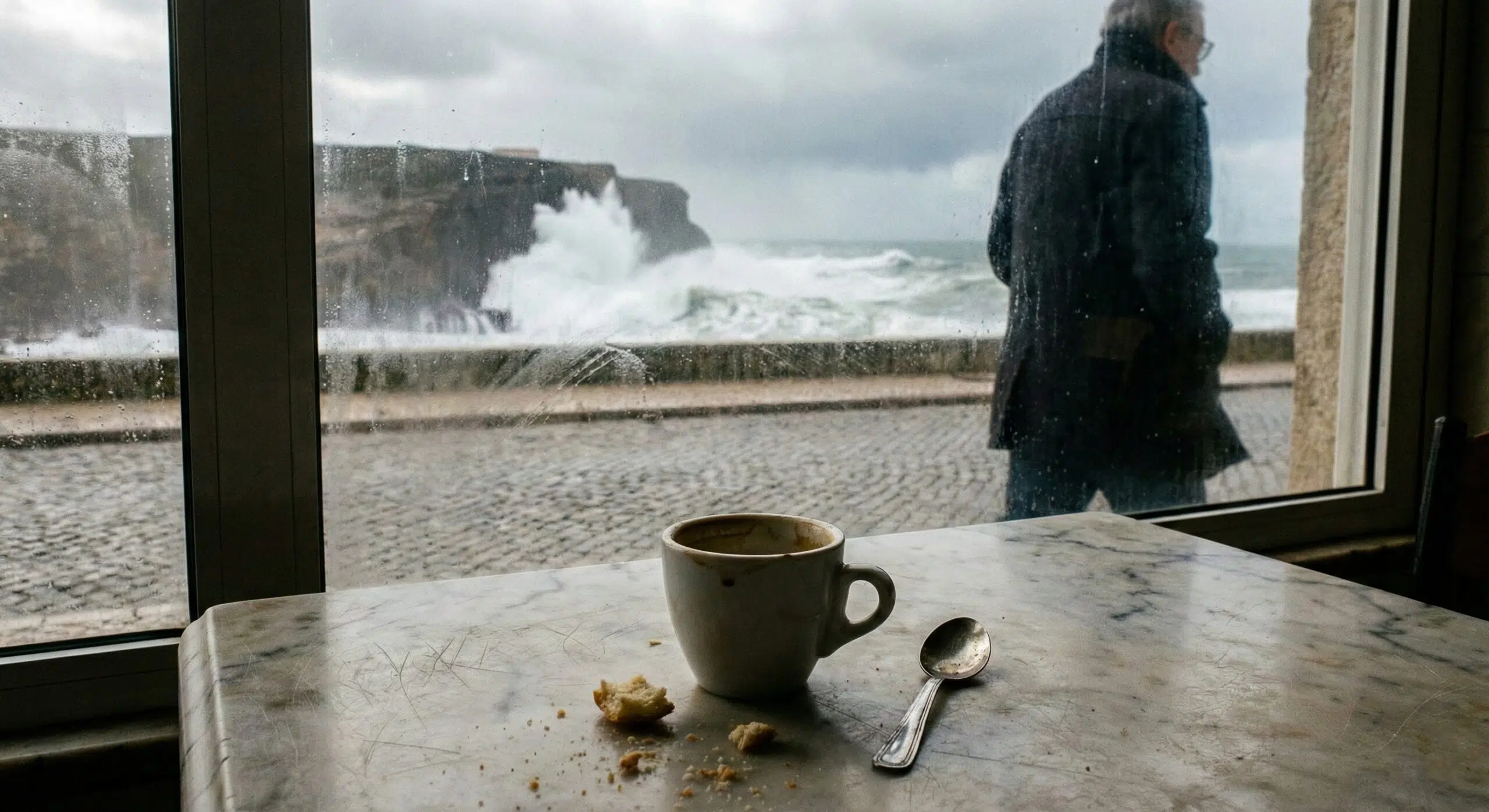
Time in Nazaré follows the Atlantic Ocean’s rhythm. This travel guide breaks down when to visit Nazaré for the biggest waves at Praia do Norte, when Praia da Nazaré is friendlier, and how weather patterns shape your plans. Whether you’re coming from Lisbon or Porto, flexible dates help you catch Portugal’s most dramatic coastal moments.
Giant Wave Season Explained
Peak big-wave season: October to March, when North Atlantic storms send long-period swells into the Nazaré Canyon. The canyon focuses energy toward Praia do Norte beach, producing monster waves and sometimes the largest waves ever surfed. On prime days near São Miguel Arcanjo lighthouse, tow-in surfing unfolds under roaring wind and explosive surf.
Year-Round Attractions in Nazaré
Nazaré is rewarding beyond big swells. Stroll the sandy beach promenade, ride the Nazaré funicular to Sítio, and explore the Sanctuary of Our Lady with Baroque touches near the Ermida da Memória chapel and Da Memória grotto. Day trip options include Óbidos, Alcobaça monastery, and Fátima, with seafood restaurants anchoring evenings.
Weather Considerations for Travelers
Winter brings big swells, wind, and humidity at the headland near São Miguel Arcanjo fort; dress in layers. Spring and autumn offer milder weather, calmer surf at the beach of Nazaré, and clear vantage points like Miradouro do Suberco. Summer is best for beach days, not huge waves.
Things to Do in Nazaré
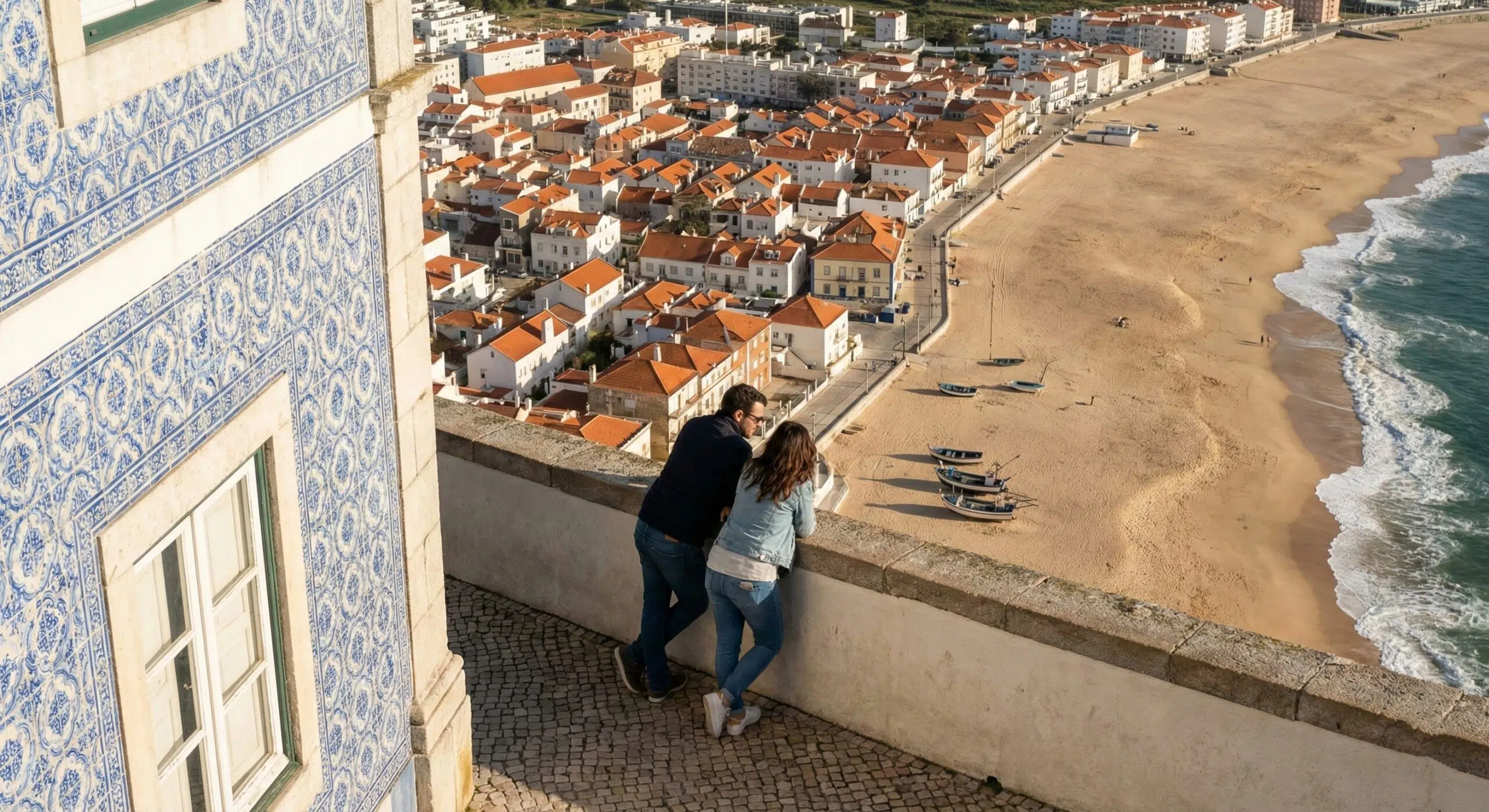
Nazaré is one of Portugal’s standout coastal towns for culture, ocean views, and surf. Split time between Praia do Norte and Praia da Nazaré, wander Sítio’s tile-fronted lanes, and seek the legend of Nazaré in chapels honoring Nossa Senhora da Nazaré. Add side trips to Óbidos or Alcobaça and savor Portuguese flavors by the Atlantic Ocean.
Surfing Opportunities: For All Levels
Praia do Norte is for experts only on huge days, suited to elite riders and tow-in surfing. Recreational surfers should look to Praia da Nazaré for manageable peaks depending on conditions. Local schools guide beginners, while experienced surfers watch forecasts shaped by the largest underwater canyon that makes Nazaré a unique surfing destination in Portugal.
Exploring Local Cuisine and Dining Options
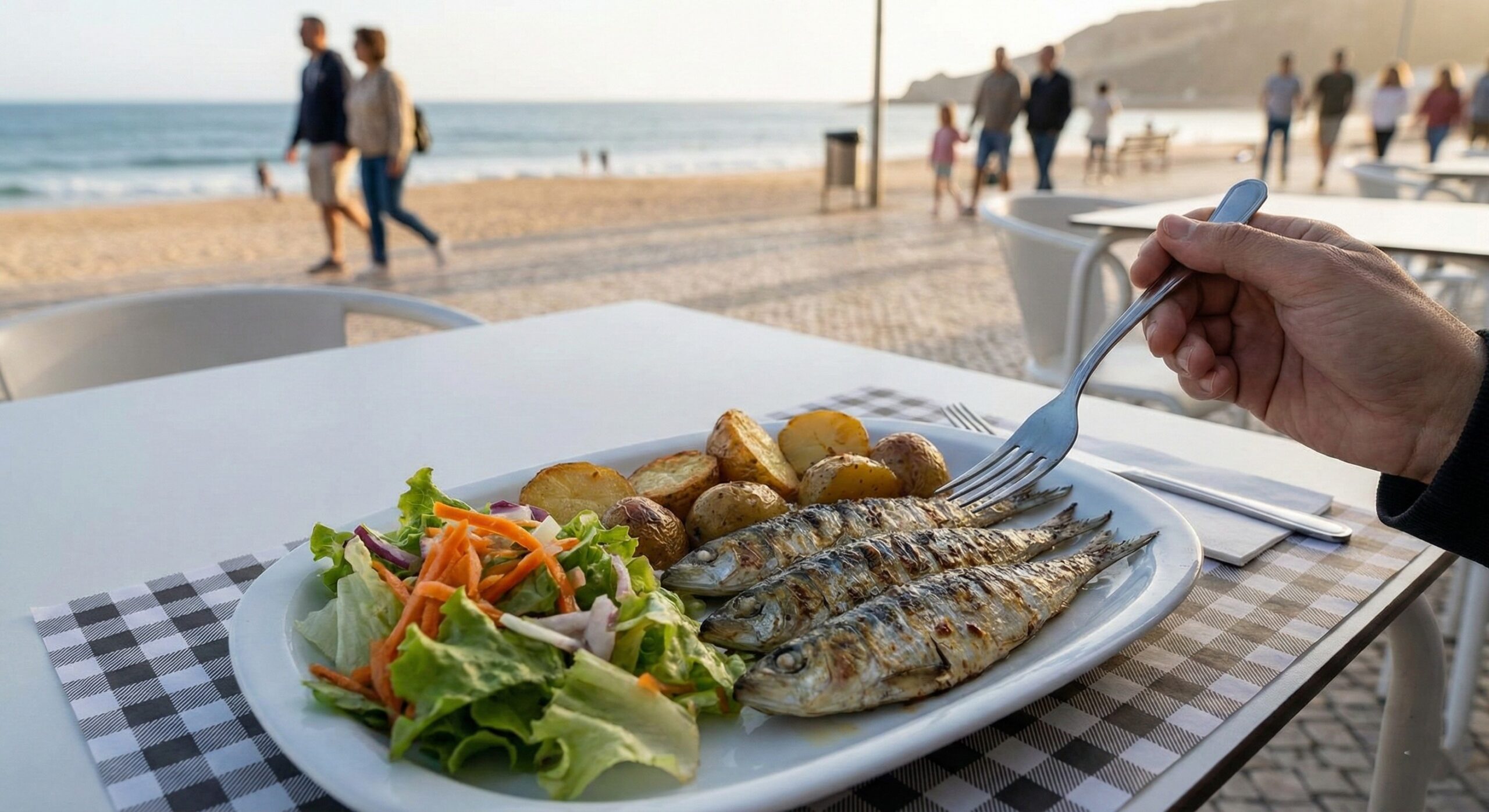
Seafood is the star along the main square and beach promenade, serving grilled sardines, caldeirada, and shellfish stews. Pair Portuguese wines with Atlantic-fresh catch after a day at the lighthouse and viewpoints. Classic bakeries fuel a morning stroll, and in Pederneira you’ll find quieter spots with homestyle dishes—one of the best things about a visit to Nazaré.
Scenic Viewpoints and Landmarks
Don’t miss Miradouro do Suberco and São Miguel Arcanjo lighthouse for sweeping views and wave-watching. Explore the Sanctuary of Our Lady, the statue of the Virgin Mary, and chapels to Nossa Senhora da Nazare that recall Dom Fuas Roupinho and the Black Madonna.
Travel Guide: Getting to Nazaré
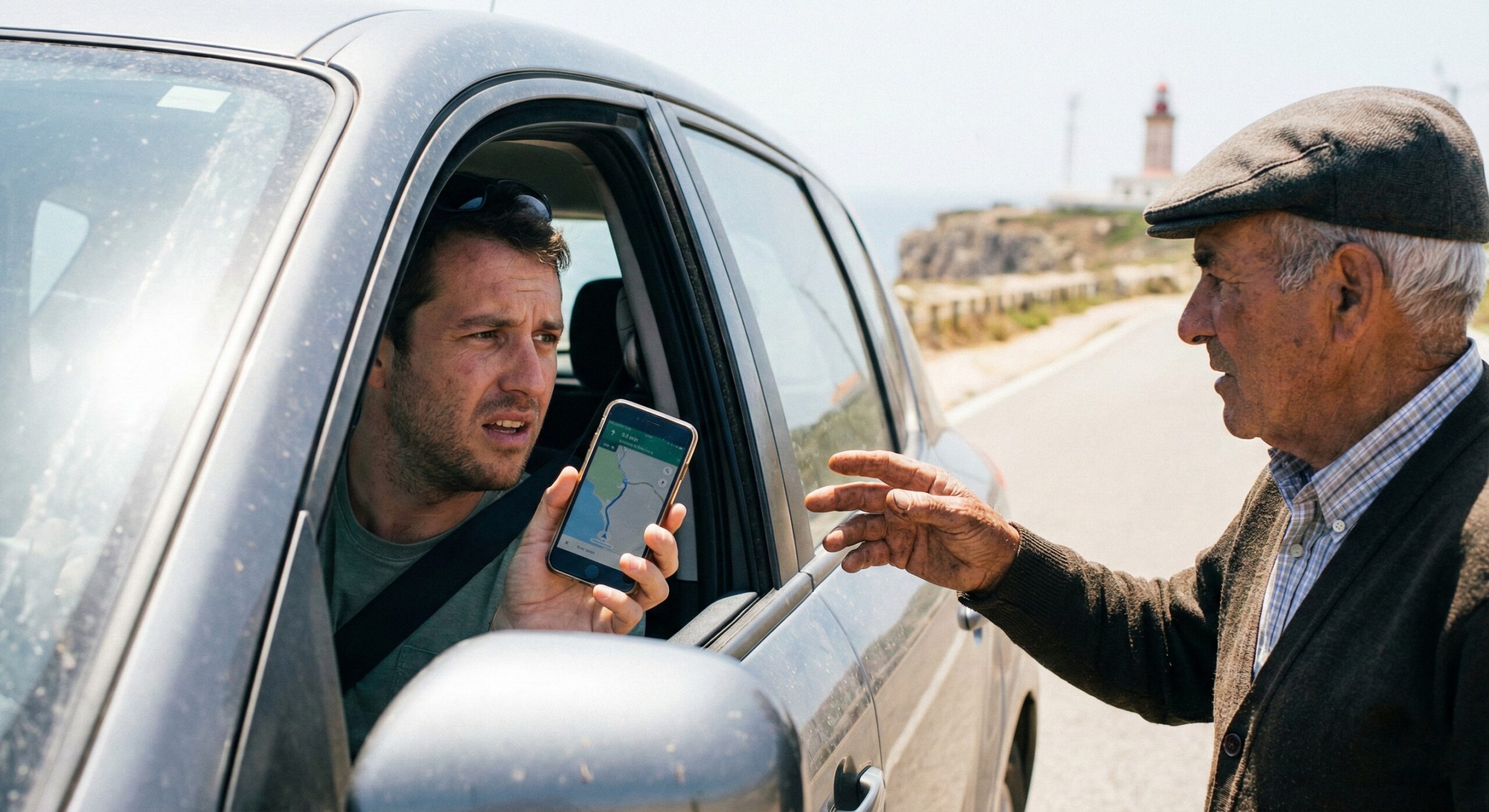
Reaching Nazaré in Central Portugal is straightforward from Lisbon or Porto, making it a classic day trip to the Silver Coast. This travel guide outlines transport choices, parking near Sítio and the São Miguel Arcanjo lighthouse, and how to connect viewpoints by the Nazaré funicular. Plan around swell windows if your goal is seeing monster waves at Praia do Norte.
Transport Options from Lisbon
Fastest from Lisbon: drive the A8 (~1.5 hours) to the beach of Nazaré and Sítio. Direct buses also run from Lisbon’s Sete Rios, ideal for a relaxed stroll on arrival. Travelers from Porto can drive the A1/A8. Trains are less convenient than buses for Nazaré on the Atlantic Ocean.
Parking and Local Transportation Tips
On big-wave days, arrive early and park in Sítio near the São Miguel Arcanjo fort access road for quick walks to the lighthouse vantage point. Use the Nazaré funicular to glide between the sandy beach and upper town. Respect closures when huge waves threaten; coastal spray can reach barriers during tow-in surfing.
Planning Your Day Trip
Keep plans flexible to match swell windows. Start at Miradouro do Suberco, walk to the lighthouse at São Miguel Arcanjo, then descend by funicular for seafood restaurants on the main square near Praia da Nazaré. Add Óbidos or Alcobaça monastery if conditions turn calm.
Where to Stay in Nazaré
Nazaré is one of Portugal’s most atmospheric coastal bases, whether you prioritize wave watching at Praia do Norte beach or a sandy beach holiday at Praia da Nazaré. Choose between lower town convenience and Sítio’s cliff-top views by the sanctuary of Our Lady, close to the legend of Nazaré sites and prime vantage points.
Accommodations in Lower Town
Lower town = easy beach access and family-friendly convenience, steps from seafood restaurants, tile-fronted lanes, and the main square. It’s ideal for calmer-day swims and quick access to the funicular for Sítio. Many Portuguese guesthouses offer balconies for an Atlantic Ocean breeze and effortless strolls along the promenade at sunset.
Staying in Sítio: Pros and Cons
Sítio offers top views and fastest access to Praia do Norte, plus proximity to the Sanctuary of Our Lady, Ermida da Memória chapel, and the Da Memória grotto. Downsides include wind exposure on big swell days and hillside walks. Still, for big wave watchers, Sítio is a strategic choice.
Booking Tips for Peak Season
Book early but keep dates flexible during big-wave season to align with Nazaré Canyon swells and potential monster waves. Weekends fill fast when forecasts hint at the largest waves or tow-in surfing. Compare options in Pederneira, lower town, and Sítio, and check parking availability. For culture add-ons, consider Fátima or Alcobaça extensions.
Practical Tips for Visiting Nazaré
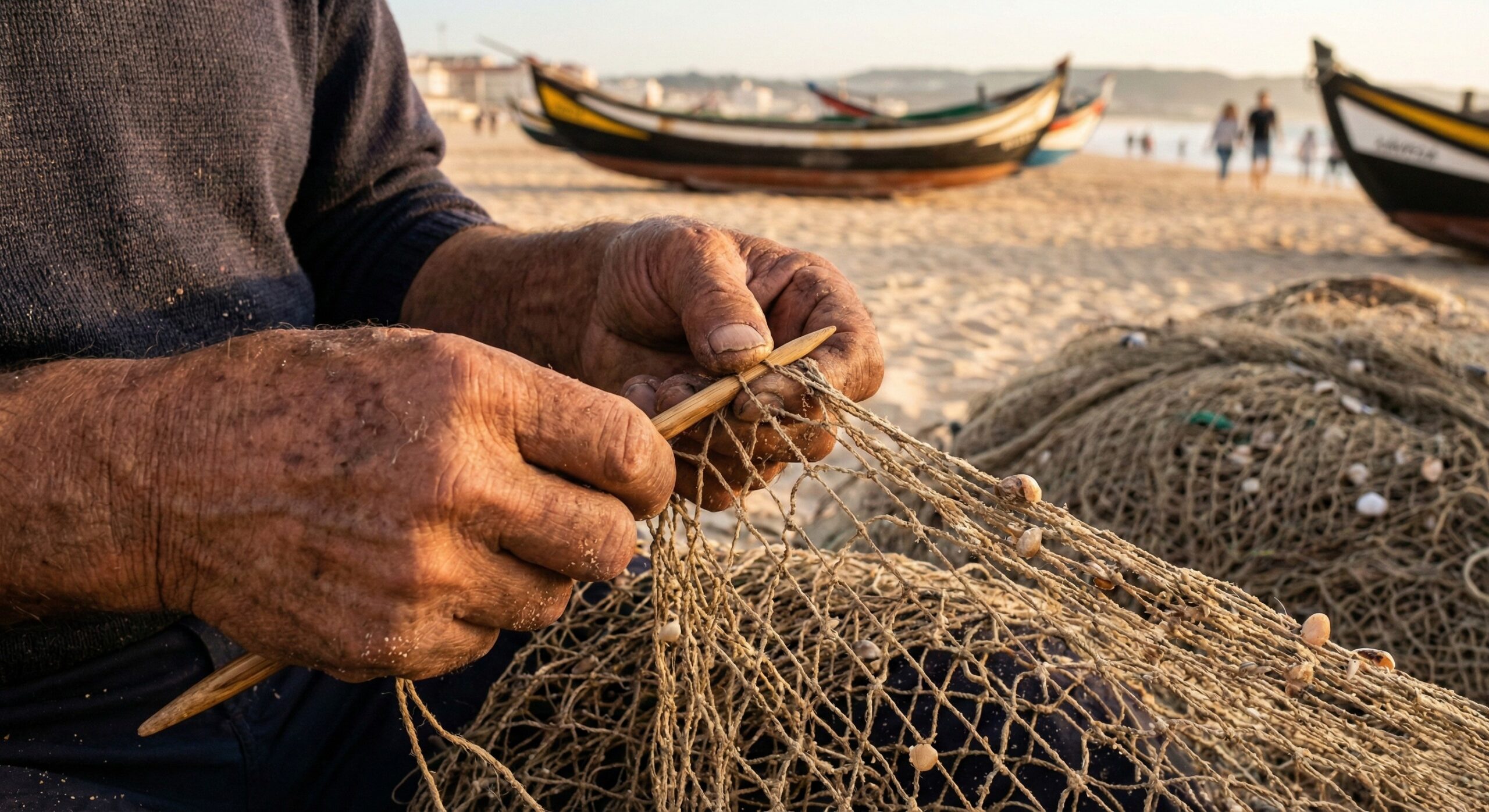
Planning time in Nazaré is easier with a few on-the-ground insights. This travel guide section covers safety near Praia do Norte beach, how to read surf forecasts for the biggest waves, and what to pack for cliff-top wind at São Miguel Arcanjo lighthouse. Whether a day trip from Lisbon or Porto, arrive early, stroll smart, and respect the Atlantic Ocean.
Safety Guidelines for Watching Waves
Always stay behind barriers and never turn your back to the sea. Keep clear of wet rocks and tide lines; rogue sets can outrun a sandy beach. In Sítio, follow signage to vantage points and listen to Portuguese authorities; tow-in surfing days mean intensified coastal hazards.
Best Practices for Surf Forecasts
Target long-period N–NW swells with light offshore winds, and pay attention to tides shaped by the Nazaré Canyon. Plan ahead and be ready to adjust on the day. Key steps include:
- Check multiple forecast models 72–24 hours in advance, then refine your plan on the morning of your visit.
- Stay flexible in Central Portugal by switching between Praia do Norte and Praia da Nazaré based on conditions.
What to Bring for a Comfortable Visit
Pack layers, waterproofs, sturdy shoes, and a zoom lens/binoculars for wind chill, spray, and distant views. Bring water, snacks, and a power bank; queues can form by the main square and funicular.
Experience Nazaré with Local Guides
To get the best things from a visit to Nazaré, connect with local experts who know tide windows, parking near Sítio, and alternative vantage points. Guided experiences weave surf, culture, and the legend of Nazaré—linking São Miguel Arcanjo, Ermida da Memória, and seafood restaurants—so your beach day flows whether conditions bring the biggest waves or calm seas.
Faq Customized Tours and Experiences
Mix wave-watching with heritage sites by combining coastal views with nearby cultural landmarks. Consider this simple plan:
- Visit Praia do Norte and pair it with the Sanctuary of Our Lady, the chapel of Nossa Senhora da Nazaré, and the Da Memória grotto.
- Add a side trip to Óbidos or the Alcobaça Monastery to round out Central Portugal.
- On lighter swell, switch to Praia da Nazaré for a sandy beach stroll and tile-lined lanes.
Connecting with Local Experts
Local guides read the canyon’s pulse and keep you safe, advising when to go for peak sets and positioning at secure vantage points. They coordinate timing around the Nazaré funicular, parking in Pederneira or upper Sítio, and share stories of Dom Fuas Roupinho, the Black Madonna, and Nossa Senhora da Nazare that animate the coastline.
Creating Memorable Moments in Nazaré
Sunrise to sunset, Nazaré delivers: tow-in lines threading monster waves, quiet chapel moments, and seafood feasts near the main square. Whether you chase the largest waves or a cultural day trip from Lisbon or Porto, Nazaré is one place where the Atlantic writes the story.
What makes Nazaré, Portugal famous for giant waves?
Nazaré, Portugal is world-renowned for its giant waves, especially at the north beach where a unique underwater canyon amplifies swell, and surfers like Garrett McNamara surfed record-breaking walls here. Records have been set by big-wave riders and German surfer Sebastian Steudtner has also helped put this resort town on the map as a base from which to explore extreme surfing feats.
When is the best time to visit Nazaré to see the big waves?
The big-wave season in Nazaré is typically between October and March, with storm swells producing the most dramatic surf. Morning and evening can both offer spectacular views, but winter storms bring the largest waves and the highest chance that records have been set.
How do I reach the famous Nazaré lighthouse and small chapel?
The rocky outcrop above Nazaré offers a point of interest where you can visit the small chapel and the santuário de Nossa Senhora da, which houses a statue of the black Madonna and the statue of Our Lady (Nossa Senhora da Nazaré). The site is located nearby the fort and is accessible by car or a short walk from the center of the settlement.
Is Nazaré just about surfing or is there more to see?
Nazaré, Portugal is more than surfing: its charming resort town atmosphere, tile-decorated streets, deserted beach stretches, and cultural sites like the statue of the black Madonna and the Forno de Orca cave make it worth a visit. It also serves as a base from which to explore the wider Costa de Prata coastline and nearby points of interest.
Can pilgrims visit religious sites in Nazaré?
Yes, Nazaré has a long pilgrimage tradition centered on the statue of Our Lady and de Nossa Senhora da Nazaré located in the santuário de nossa senhora da. Pilgrims come to venerate the Lady of Nazaré (Nossa Senhora) and to see the historic small chapel associated with King Fernando’s legend of a miraculous rescue.
Are there quieter beaches if I want to avoid crowds?
Along the beach you can find both busy stretches and calmer spots; the north beach is famous for surf spectators, while south beach and other more deserted beach areas nearby offer quieter options for relaxing along the sand. Visiting in shoulder seasons or early morning often gives a more peaceful experience.
How long should I plan to stay in Nazaré to see main attractions?
To have enough time to visit Nazaré’s highlights—beach viewpoints, the fort, the santuário de nossa senhora da, and nearby caves like Forno de Orca—plan at least a full day or an overnight stay. As a resort town and a base from which to explore the Costa de Prata, two to three days lets you enjoy morning and evening activities and nearby settlements.
What historical or cultural stories are linked to Nazaré?
Nazaré’s history includes the legend of King Fernando and the miraculous saving of a knight by the statue of Our Lady, which established the site as a point of pilgrimage. The statue of the black Madonna is central to local lore, and traditional tiled houses and fishermen’s heritage add cultural depth to the settlement.
Are there opportunities to learn about the local marine features like the underwater canyon?
Yes, visitors interested in marine geography can learn how the underwater Nazaré Canyon creates the massive waves that lead to records have been set and big-wave competitions. Local guides and viewpoint areas explain how the canyon funnels energy toward the rocky outcrop and the north beach, making it a unique natural phenomenon worth understanding while located nearby.